Why Your Credit Score Matters and How to Improve It
Why Credit Matters: Strategies to Improve Your Credit Score
Most people know they have a credit score, but not everyone knows what it means. For many folks, it just sits in the background, quietly influencing whether you can buy a home, what car you drive, and even how much you pay for insurance. However, ignoring your credit score won’t make it go away. Neglecting it can cost you thousands of dollars over your lifetime in higher interest rates and missed opportunities. Understanding how the credit system works is the first step toward making it work for you. Whether you are building credit from scratch, repairing past mistakes, or looking to polish a good score into an excellent one, we can help. Here’s how to improve your credit score and what you need to know about this system.
Why Your Credit Score Matters
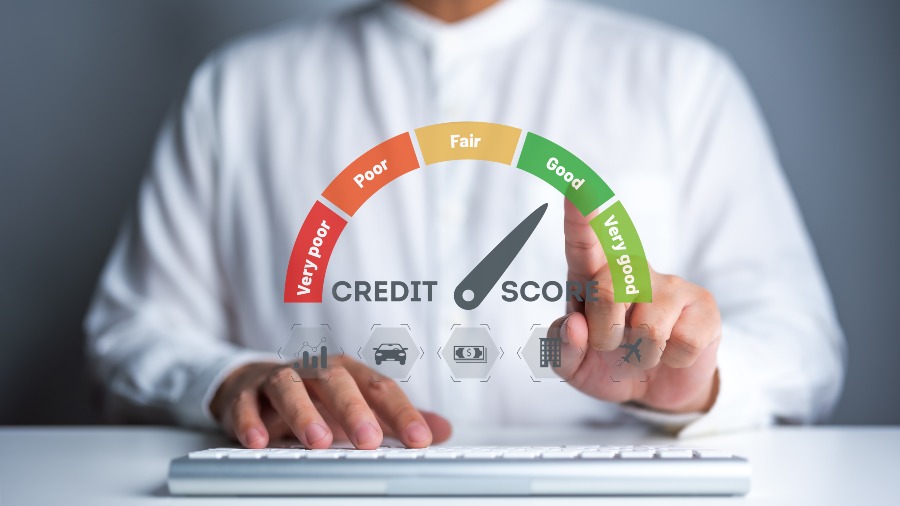
Your credit score is essentially a financial report card. Lenders, landlords, and service providers use it to grade your reliability. A high score suggests you are a low-risk borrower who pays back debts on time, while a lower score signals potential risk. But the impact of this number goes far beyond just getting approved for a credit card. Your credit score can influence:
- Interest Rates and Savings—Lenders reserve their lowest rates for borrowers with the highest scores. For example, on a 30-year mortgage, the difference between an interest rate of 6% and 7% might seem small, but it can translate into tens of thousands of dollars in extra payments over the life of the loan.
- Housing Opportunities—Most landlords run credit checks on potential renters. A poor score can lead to a rejected application or require you to pay a significantly higher security deposit to secure a lease.
- Insurance Premiums—In many states, auto and homeowners insurance companies use credit-based insurance scores to help determine premiums. A lower score could mean you are paying more to insure the exact same car as someone with excellent credit.
What Affects Your Credit Score
To improve your score, you first need to understand the mechanics behind it. While there are different scoring models, FICO is the most widely used. It is calculated based on five weighted factors:
- Payment History (35%)—Have you paid your past credit accounts on time? Even one missed payment can have a significant negative impact.
- Amounts Owed (30%)—This refers largely to your credit utilization ratio—how much of your available credit you are using. Generally, keeping this ratio below 30% is advised, and below 10% is ideal.
- Length of Credit History (15%)—This factor considers how long your credit accounts have been established. A longer credit history provides more data for lenders and generally helps your score.
- New Credit (10%)—Opening several credit accounts in a short period of time represents a greater risk, especially for people who don’t have a long credit history. Each time you apply for credit, a “hard inquiry” hits your report, which can lower your score temporarily.
- Credit Mix (10%)—Lenders like to see that you can handle different types of credit responsibly. This includes revolving credit (like credit cards) and installment loans (like car loans, student loans, or mortgages).
Strategies to Improve Your Credit Score Over Time
In most cases, you can’t improve your credit score overnight. The process requires lots of discipline and building a track record of responsible borrowing. Try these strategies to improve your credit score in the long term:
1. Automate Your Payments
Since payment history is the largest slice of the pie, never missing a payment is essential. Set up automatic payments for at least the minimum amount due on all your accounts. This ensures that even if you forget to check your bill, you won’t get hit with a late fee or a negative mark on your credit report.
2. Reduce Your Debt Load
Focus on paying down high-interest credit card debt. Not only will this save you money on interest, but it also lowers your credit utilization ratio. Two popular methods for this are the “Avalanche Method” (paying off the highest interest rates first) and the “Snowball Method” (paying off the smallest balances first for psychological wins).
3. Keep Old Accounts Open
When you finally pay off a credit card, your instinct might be to close the account to remove the temptation to spend. However, closing an old account shortens your average credit history and reduces your total available credit, both of which can drop your score. Unless the card has an expensive annual fee, it is usually better to keep it open and use it sparingly.
4. Audit Your Credit Report
Errors happen more often than you might think. You are entitled to a free credit report from each of the three major bureaus annually. Review these reports for inaccuracies, such as accounts you didn’t open or payments marked late that were actually on time. If you find errors, dispute them immediately.
How to Improve Your Credit Score Fast
If you plan to apply for a mortgage or auto loan in the next few months and need a quick boost, the long-term strategies might not work fast enough. While you shouldn’t expect to see major gains in a short time, here are some ways to improve your credit score on short notice:
- Become an Authorized User—If you have a family member or close friend with a pristine credit history and a long-standing credit card, ask if they’ll add you as an authorized user. Then, the entire history of that account can be added to your credit report.
- Ask for Higher Credit Limits—Call your credit card issuer and ask for a credit limit increase. If your limit increases but your balance stays the same, your credit utilization ratio drops instantly.
- Pay Twice a Month—If you run up a high balance during the month—even if you pay it off in full by the due date—it might look like high utilization on your report. By making a payment mid-cycle, you ensure the balance reported to the bureaus remains low.
How North Brookfield Savings Bank Can Help
At North Brookfield Savings Bank, we believe in empowering our community with the tools needed for financial wellness. We understand that finding ways to improve a credit score isn’t always easy, and you’ll need support along the way. Our bank offers a variety of solutions designed to help you build and maintain a healthy financial profile. From low-rate personal loans that can help consolidate high-interest debt to checking accounts that make automated bill payments seamless, our products are built with your financial health in mind. Contact us today to open your account with our North Brookfield, MA bank.