The Benefits of a Good Credit Score
You may be ready to finance a car, buy a home, or apply for a new credit card when your three-digit credit score suddenly takes on a lot more significance in your life. A higher score may help you qualify for more favorable rates and loan terms, which could lower what borrowing costs you over time.
So, what is a good credit score, and what goes into that number? Let’s break it down and explore how the credit habits you have today may help create more financial opportunities for your future.
What Is a Good Credit Score?
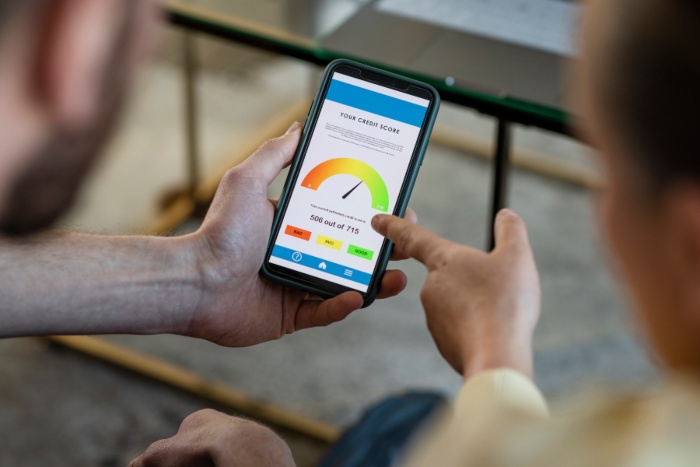
Most consumer credit scores fall between 300 and 850, with a higher number generally giving lenders more confidence that you’ll repay borrowed money on time. FICO considers scores from 670 to 739 good, though the number a lender wants to see can vary by loan type and its own approval requirements.
You may also see that you have different scores depending on which credit report, scoring model, and date you use. So just keep in mind that, rather than viewing one number as your permanent rating, think of each score as a current look at how you’ve handled credit.
How Credit Scores Are Calculated
A scoring model reviews information in your credit reports and turns it into a number. FICO organizes that information into five categories, but their exact effect can vary from one person’s credit profile to another. Here are the factors that go into your score:
- Payment History – About 35% of your FICO Score reflects whether you’ve paid past credit accounts on time.
- Amounts Owed – Roughly 30% looks at your debt, including how much of your available revolving credit you’re currently using.
- Credit History Length – Around 15% considers how long your accounts have been open and how recently you’ve used them.
- New Credit – About 10% considers recently opened accounts and applications that resulted in lender inquiries.
- Credit Mix – The remaining 10% reviews your experience with different accounts, such as credit cards and installment loans.
Benefits of Having Strong Credit
A good credit score may help you qualify for a loan and get a lower interest rate or more favorable terms. And that great score is going to be especially valuable when you apply for a mortgage or an auto loan, where you’ll repay the balance over several years.
Suppose two borrowers finance the same amount, but one receives a lower rate. That person will generally pay less interest if the remaining loan details are equal. Keeping more of that money in your budget could give you additional room for savings, home expenses, or another financial priority. Your approval and the available terms will still reflect the lender’s complete review of your application.
Financial Opportunities Beyond a Loan
Credit information may come into play even when you aren’t applying for a traditional loan. Companies can use credit scores when making decisions related to tenant screening and insurance, and your credit history can affect the credit limit you’re offered.
The specific score or report used will vary, but the practical lesson remains the same: the way you manage borrowed money can follow you into several financial situations. Checking your reports ahead of an apartment search or insurance application gives you time to find information you don’t recognize and address suspected errors.
Habits That Support a Strong Credit Score
Making your payments on time is easily one of the most important aspects of achieving and maintaining a great credit score. To stay on top of them, you can add every due date to one calendar, then set an alert several days beforehand so you have time to check the amount and make sure your account has enough money. Automatic payments can also help, but you should still review each statement before the withdrawal date.
You should also try to keep your credit card balances well below their limits, and don’t open several accounts simply to create a broader credit mix. You can maintain strong habits with the accounts you already have by paying as agreed, watching your balances, and applying for new credit only when you have a clear reason for it.
How to Improve Your Credit Score
Pull your credit reports and read through each account, payment record, and balance. If you see information you believe is inaccurate, follow the credit bureau’s process for disputing it. If a payment is overdue, bringing the account current and protecting every upcoming due date can keep another late payment from being added.
You can also work on reducing revolving balances and refrain from filling out unnecessary credit applications. You don’t need to carry a credit card balance to build a strong score, so paying in full won’t deprive you of a scoring benefit.
There isn’t a guaranteed shortcut or universal timeline for improving your credit score. Your results will reflect what’s in your reports, how that information changes, and which scoring model is used.
Prepare for Your Next Loan With Our Local Bank
Your credit score may take on greater importance when you’re ready to finance a vehicle, purchase a home, or borrow money for another goal. Before you apply, review your credit reports for unfamiliar accounts, incorrect balances, or payments that weren’t recorded accurately.
Then, bring your borrowing goals to our team here at North Brookfield Savings Bank. We’ll explain the loan options we offer, answer your questions, and help you prepare for the application. Visit your local branch or contact us today to speak with one of our experienced bankers.
Credit Score: Frequently Asked Questions
What Is a Good Credit Score?
FICO generally considers a score from 670 to 739 good, though lenders can use different scoring models and approval standards. The score you see may also change based on the credit-report data and date used to calculate it.
What’s a Good Credit Score for Buying a Home?
There isn’t one score that guarantees your approval for a mortgage. Credit requirements vary by lender and loan program, and your application may also be reviewed using your income, employment, debts, and requested loan amount. Ask your mortgage lender which program requirements apply to the home purchase you’re planning.
How Can I Improve My Credit Score Quickly?
You can start improving your credit by checking your credit reports for any suspected errors and existing accounts that are overdue. Then, honor the due dates for your upcoming payments, reduce your credit card balances where possible, and avoid filling out applications you don’t need. These actions address information commonly reviewed by scoring models, but just remember that there isn’t a legitimate method that can guarantee a particular increase within a set period.